Four films about people facing forces bigger than themselves: killers closing in through a wildfire, a threat at an airport checkpoint, a surveillance system operating out of public view, and the remnants of an empire.
Angelina Jolie plays a smokejumper carrying the weight of past trauma who finds herself protecting a boy from two assassins. With a wildfire spreading around them, getting out alive means confronting both human violence and a landscape that offers no safe hiding place. A survival thriller about responsibility, second chances, and choosing to protect someone when walking away would be easier.
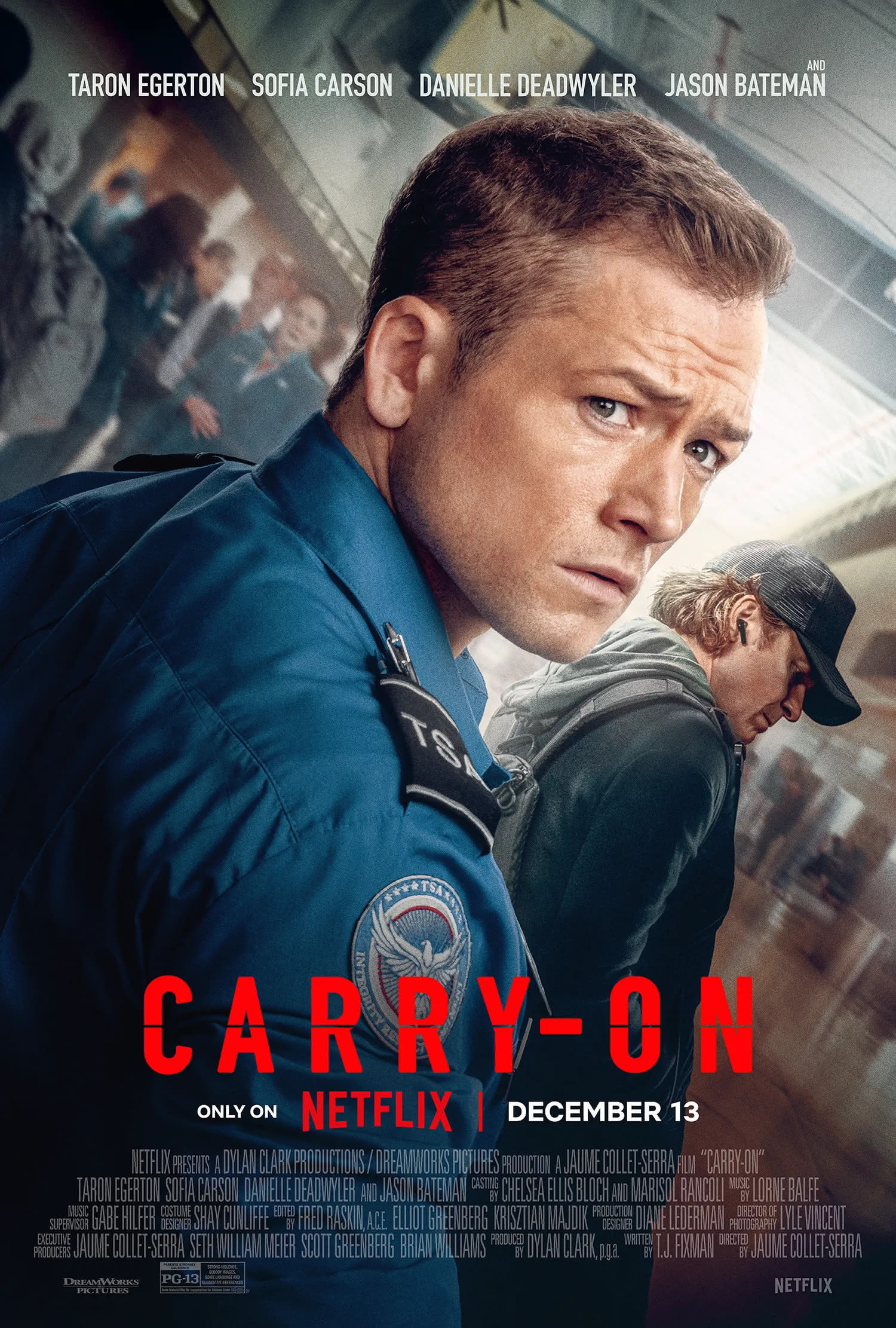
A Christmas Eve shift becomes a nightmare when an airport security officer is coerced into letting a dangerous item through his checkpoint. Taron Egerton faces off against Jason Bateman in a thriller built around an ordinary worker being forced into an impossible decision. Underneath the race against time is a question about how much a security system depends on the person being pressured to look the other way.
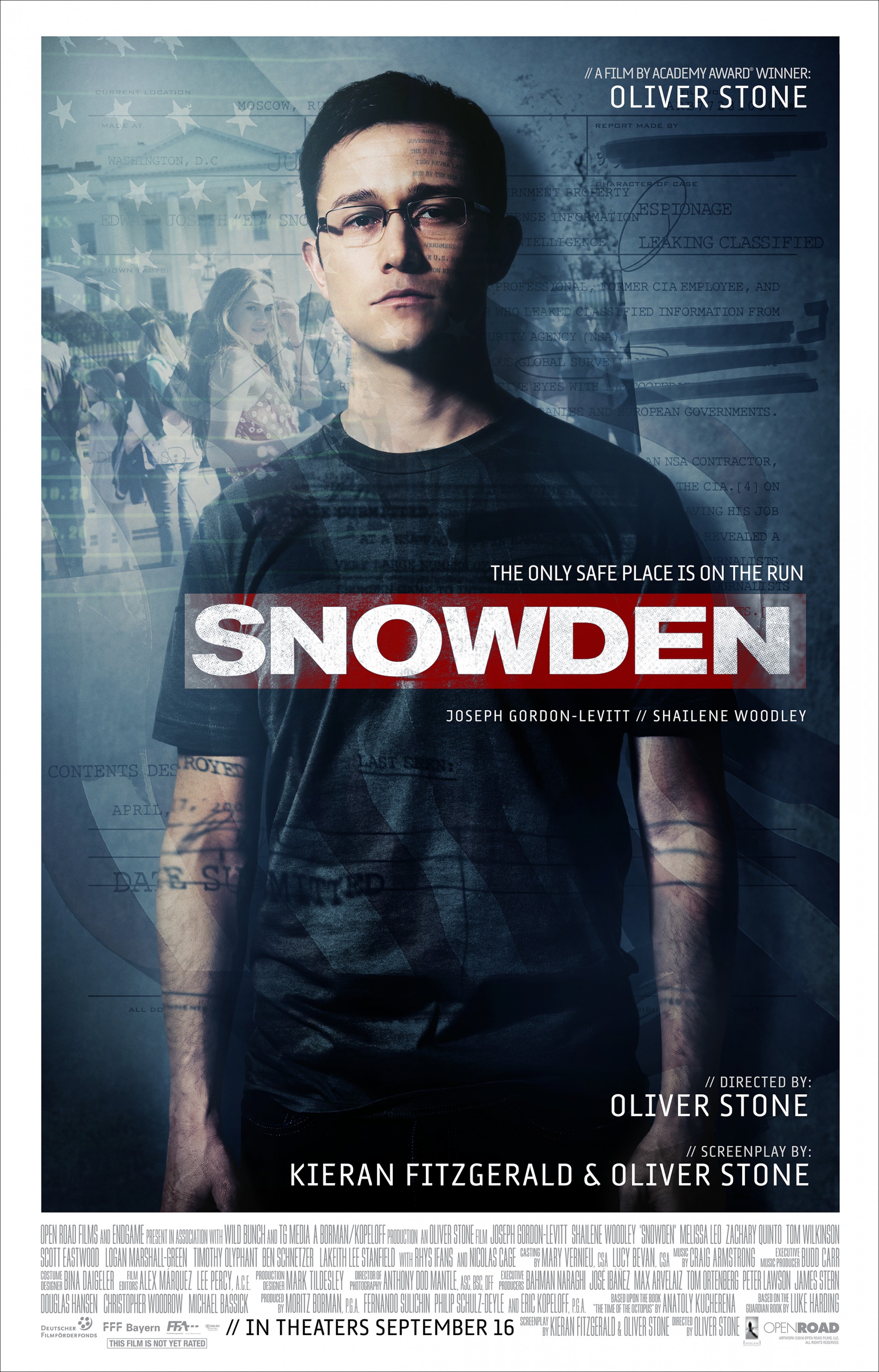
Oliver Stone dramatizes Edward Snowden’s decision to expose the NSA’s surveillance programs, with Joseph Gordon-Levitt in the title role. It’s a story about the personal cost of whistleblowing and the conflict between loyalty to an institution and responsibility to the public. The questions it leaves behind are bigger than one person: who watches the watchers, and what does meaningful consent look like when surveillance is secret?
The Empire has fallen, but its warlords haven’t disappeared. The New Republic turns to Din Djarin and Grogu to help defend what the Rebellion won. Pedro Pascal returns as the bounty hunter in Jon Favreau’s big-screen adventure, with a premise that raises a familiar question: what does it take to keep an old order from coming back after you’ve defeated it?
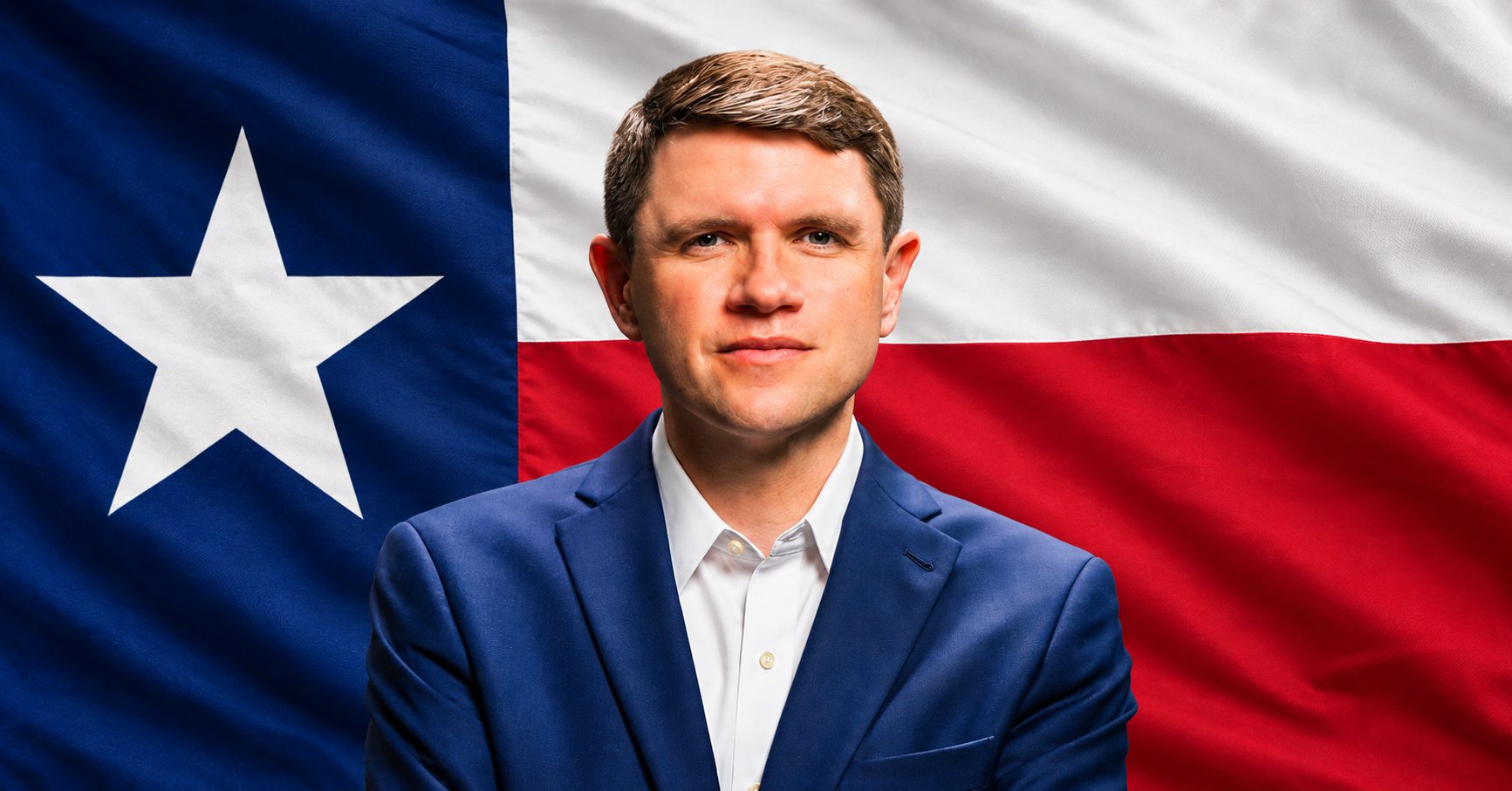
Want to help James Talarico win? Here are a few things you can do right now and keep doing between now and Election Day.
The spending against Talarico is out of control, and we all need to contribute to fight back! Whether you can give money, volunteer your time, or help spread the word, there’s a way to pitch in.
Share his latest posts each day
Follow these accounts, check in daily, and repost the latest stuff. Share a clip to your story, send a good interview to a friend, or pass along a campaign update. Help more people hear him in his own words.
Visibility helps him raise money and reach voters, including both people who vote in every election and people who rarely turn out. Someone has to hear about him before they can decide to donate, volunteer, or vote for him. Even if you only have a handful of followers, sharing helps: you may reach someone who doesn’t follow him or see much political news. You don’t need a huge audience to introduce him to a few more people.
I’m reposting a lot of Talarico’s stuff on my TikTok, @thelibertypear and my Threads, @thelibertypear. Browse my videos and reposts, pick a handful you like, and repost them too. Keep coming back for more clips and posts to share. Make it a regular habit!
I’ve put together these posts on Talarico, too. Take a look, watch the interviews, and share a few with friends or on your socials, especially with someone who’s just getting to know him.
The Latino Vote Podcast is back breaking down the latest 2026 midterm polling — new data on Latino voters, Republicans under pressure in battleground seats, and where the map is actually moving.
Two things to listen for specifically:
Anti-institutionalism — how deep the distrust of all institutions runs right now, on both sides.
Dealignment, not realignment — voters aren’t switching teams so much as walking away from teams altogether.
There’s some things in here I do not fully agree with — but it’s a good one!